
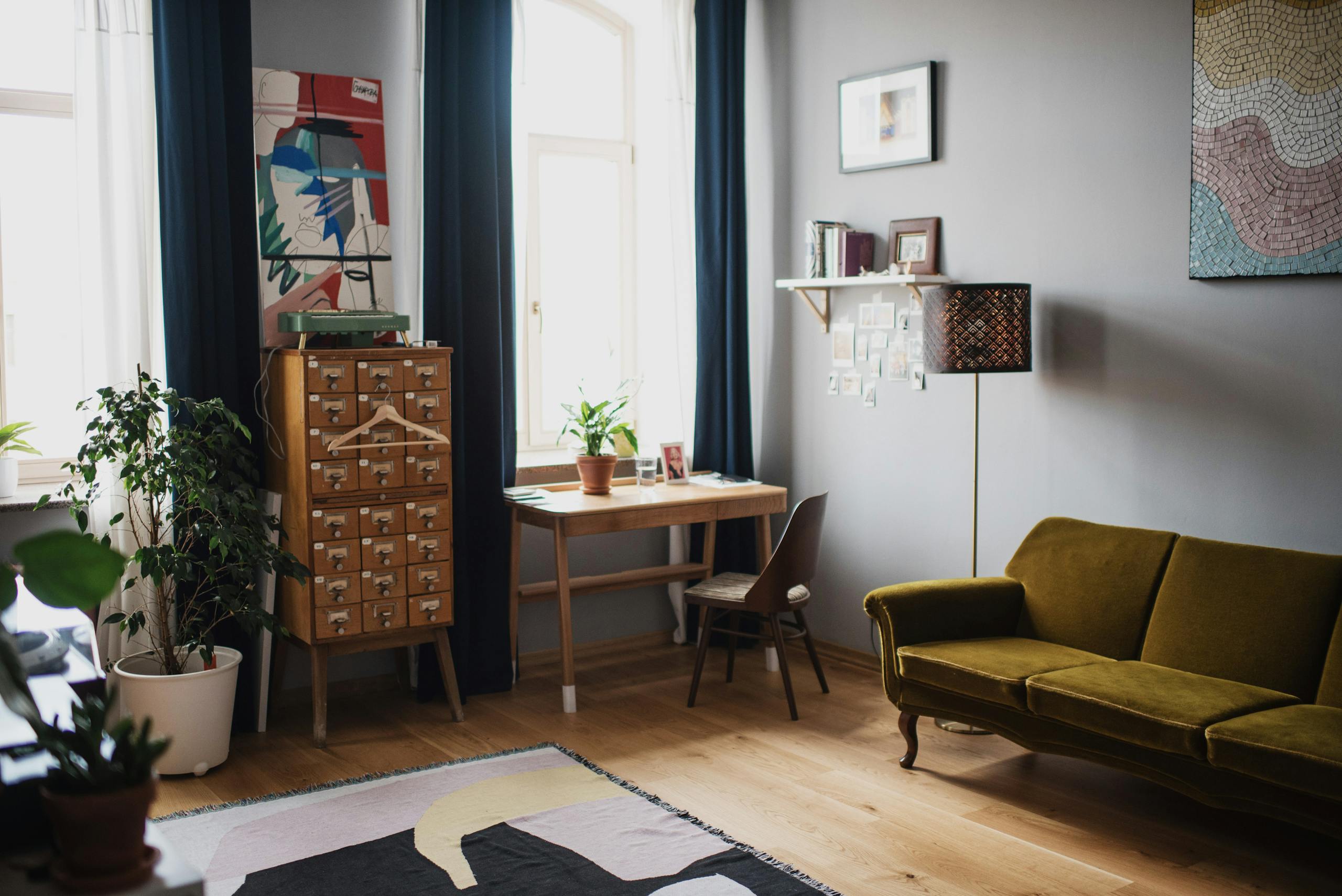
Mimicking Natural Light
How Smart Lighting Can Transform Your Home and Health
Light does more than help us see—it quietly controls our mood, sleep, focus, and overall well-being. For centuries, humans lived by the rhythm of the sun: bright mornings, gentle afternoons, warm evenings, and darkness at night. Modern indoor lighting broke that rhythm. Smart lighting is now helping us restore it.
In this guide, we’ll explore how to mimic natural light using smart lighting systems, why it matters, and how you can implement it step by step in your home or workspace.
Why Mimicking Natural Light Matters 🌞
Natural sunlight changes throughout the day in brightness, color temperature, and intensity. Our bodies respond to these changes through the circadian rhythm—a biological clock that regulates:
- Sleep and wake cycles
- Hormone release (melatonin and cortisol)
- Energy levels and concentration
- Mood and emotional balance
Static artificial lighting—especially harsh white or blue light at night—can confuse this system. The result? Poor sleep, eye strain, fatigue, and even long-term health issues.
Smart lighting allows us to recreate the sun’s journey indoors, aligning artificial light with our natural biology.
Understanding Natural Light Throughout the Day
Before configuring smart lights, it helps to understand how daylight behaves:
🌅 Morning Light (Sunrise)
- Color temperature: 2700K–3000K (warm, gentle)
- Effect: Signals your body to wake up naturally
- Best use: Bedrooms, bathrooms, kitchens
☀️ Midday Light
- Color temperature: 5000K–6500K (cool, daylight)
- Effect: Boosts alertness and productivity
- Best use: Home offices, study areas, kitchens
🌇 Evening Light (Sunset)
- Color temperature: 2200K–2700K (very warm)
- Effect: Encourages relaxation and melatonin production
- Best use: Living rooms, bedrooms, reading corners
Smart lighting lets you schedule and automate these transitions, just like nature intended.
Key Smart Lighting Features That Mimic Natural Light
1. Tunable White & RGB Lighting
Choose smart bulbs or fixtures that support adjustable color temperature, not just brightness. RGB lighting adds ambience, but tunable white is essential for circadian lighting.
Popular options include:
- Philips Hue
- Lifx
- Nanoleaf
- Tuya-based smart lights
2. Circadian or Adaptive Lighting Modes
Many platforms offer built-in features like:
- Adaptive Lighting (Apple Home)
- Natural Light scenes
- Circadian Rhythm automation
These modes automatically adjust light color and brightness based on time of day.
3. Automation & Scheduling
The real magic happens when lights change without manual control:
- Gradual sunrise wake-up routines
- Automatic daytime brightness boosts
- Soft dimming after sunset
Once set up, your lighting works silently in the background—no switches, no thinking.
How to Set Up Natural Light Mimicking at Home (Step-by-Step)
Step 1: Start With the Right Rooms
Focus first on:
- Bedroom
- Home office
- Living room
These areas benefit most from circadian-friendly lighting.
Step 2: Choose Proper Color Temperatures
Set presets like:
- Morning: 3000K, 40–60% brightness
- Day: 6000K, 80–100% brightness
- Evening: 2200K, 20–40% brightness
Step 3: Sync With Sunrise & Sunset
Use:
- Location-based automations
- Sunrise/sunset triggers
- Seasonal adjustments
Your lighting should naturally adapt as days get longer or shorter.
Step 4: Reduce Blue Light at Night
After sunset:
- Avoid cool white light
- Use warm or amber tones
- Dim lights gradually instead of sudden off switches
This dramatically improves sleep quality.
Advanced Tips for Power Users 🔧
- Layer your lighting: Combine ceiling lights, lamps, and accent lights
- Use motion sensors: Soft warm light for night bathroom trips
- Integrate with smart blinds: Maximize real daylight during mornings
- Voice control: “Set evening lights” becomes a daily ritual
For ultimate realism, some users even simulate cloudy days by reducing brightness and contrast during afternoon hours.
Common Mistakes to Avoid
❌ Using only brightness control without color tuning
❌ Cool white lights in bedrooms at night
❌ Over-automation without manual overrides
❌ Ignoring natural daylight availability
Smart lighting should support your lifestyle, not dominate it.
The Real Benefits You’ll Notice
After a few weeks of natural-light-mimicking setups, many users report:
- Falling asleep faster
- Waking up more refreshed
- Reduced eye strain
- Improved focus during the day
- A calmer, more natural home ambience
It’s one of the few smart home upgrades that directly improves both comfort and health.
Final Thoughts: Bringing the Sun Indoors 🌤️
Mimicking natural light isn’t about fancy colors or flashy effects—it’s about restoring balance. Smart lighting gives us the power to live closer to nature, even inside concrete walls.
When your lights rise like the sun and fade like dusk, your home stops feeling artificial—and starts feeling alive.


