
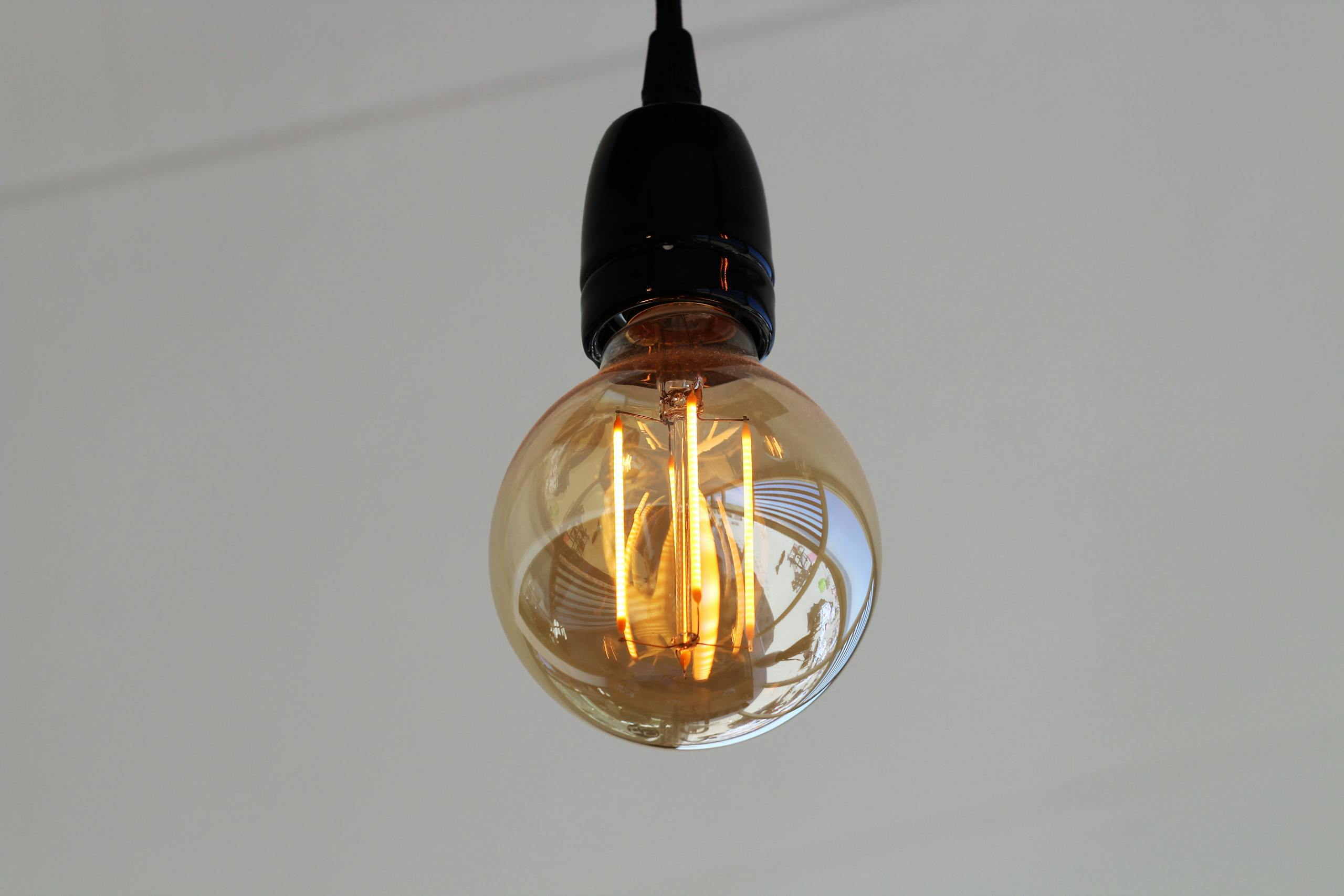
Replacing a Faulty Bulb Holder: A Quick Tutorial
A flickering light or a bulb that refuses to stay on is often blamed on the bulb itself. But sometimes, the real culprit is the bulb holder. Over time, bulb holders can become worn out, loose, or even unsafe to use. Luckily, replacing a faulty bulb holder is a simple DIY task that most homeowners can handle with just a few tools and some basic safety precautions.
In this quick tutorial, we’ll walk you through the steps.
What You’ll Need
Before you begin, gather these tools and materials:
- A new bulb holder (make sure it matches the type you’re replacing — bayonet, screw type, or specialized fitting).
- Screwdriver (usually flat-head or Phillips).
- Wire stripper or cutter.
- Electrical tape or wire connectors.
- A sturdy ladder (if the holder is ceiling-mounted).
Safety First ⚡
Electricity is not something to take lightly. Follow these precautions:
- Switch off the power from the main circuit breaker before starting. Don’t just turn off the wall switch — completely cut off power to avoid shocks.
- Test the holder with a voltage tester to ensure no current is flowing.
- Work in good lighting — use a torch or portable lamp if necessary.
Step-by-Step Guide
1. Remove the Old Bulb Holder
- Carefully unscrew the bulb (if still attached).
- Unscrew or unclip the bulb holder from its mounting.
- Gently pull it down to expose the wires.
2. Disconnect the Wires
- Note how the wires are connected (you can even take a photo for reference).
- Loosen the terminal screws and detach the wires.
3. Prepare the New Bulb Holder
- Open the new holder by unscrewing its cover.
- Identify the terminals: live (L), neutral (N), and sometimes earth (E).
4. Connect the Wires
- Strip a small section of wire insulation (if needed).
- Insert the wires into their corresponding terminals.
- Tighten the screws firmly to hold them in place.
- Ensure no bare wire is exposed.
5. Secure the New Holder
- Reassemble the holder by screwing the cover back.
- Mount it securely to the wall or ceiling fitting.
6. Test Your Work
- Switch the power back on at the breaker.
- Screw in a bulb and switch it on.
- If the bulb lights up steadily — congratulations, you’ve successfully replaced the holder!
Common Mistakes to Avoid
- Leaving wires loose, which can cause sparking.
- Mixing up live and neutral connections.
- Forgetting to turn off the main power supply (a dangerous oversight).
Final Thoughts
Replacing a faulty bulb holder is one of the easier home electrical fixes — and it can save you the cost of calling in an electrician for a small job. With the right precautions, tools, and careful attention to wiring, you can do it safely in less than 20 minutes.
So the next time your bulb refuses to behave, check the holder — it might just need a quick replacement.