
Warm vs. Cool Light: How to Choose the Right Color Temperature
Introduction
Lighting isn’t just about brightness—it’s about mood, functionality, and how a space feels. The color temperature of light, measured in Kelvins (K), plays a huge role in setting the tone of a room. Too warm, and a workspace might feel sleepy. Too cool, and a cozy living room might feel sterile.
In this guide, we’ll break down the difference between warm and cool light and help you choose the perfect color temperature for every room in your home.
What Is Color Temperature?
Color temperature is a way to describe the appearance of light:
- Warm light (2700K–3000K): Yellowish, cozy, similar to candlelight or traditional incandescent bulbs.
- Neutral light (3500K–4000K): Balanced between warm and cool, often used in kitchens and bathrooms.
- Cool light (5000K–6500K): Bluish-white, crisp, similar to daylight.
Warm Light: Cozy and Relaxing
Warm light creates a comfortable and inviting atmosphere. It’s ideal for areas where you relax and unwind.
Best for:
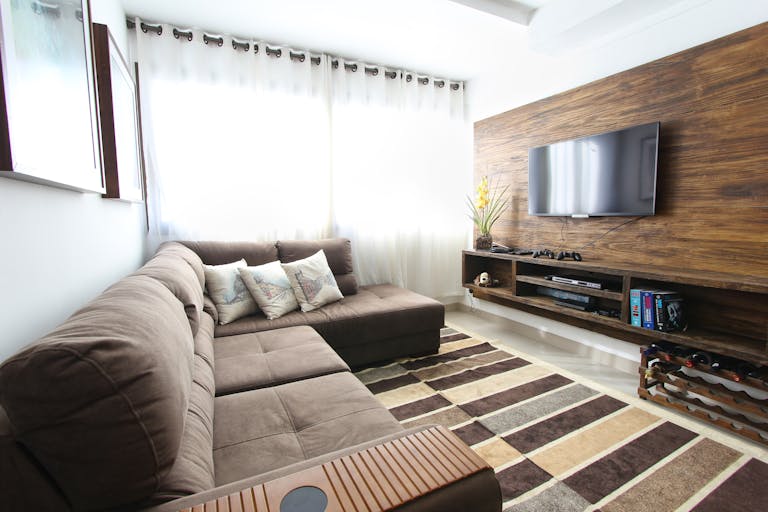
- Living rooms
- Bedrooms
- Dining rooms
- Reading corners
✅ Tip: Use warm light bulbs (2700K–3000K) for lamps, chandeliers, and accent lighting to create a welcoming ambiance.
Cool Light: Bright and Energizing
Cool light has a sharp, daylight-like quality that boosts focus and productivity. It’s great for task-oriented areas where you need clarity.
Best for:
- Home offices
- Kitchens
- Bathrooms
- Garages and workshops
✅ Tip: Choose bulbs in the 5000K–6500K range for workspaces where concentration is key.
Neutral Light: The Middle Ground
If you’re not sure whether to go warm or cool, neutral white light is the safest bet. It doesn’t lean too yellow or too blue, making it versatile.
Best for:
- Hallways
- Utility rooms
- Multipurpose spaces
How to Choose the Right Color Temperature
When selecting light for your space, consider these factors:
- Room Function: Match the light to the activity (relaxing vs. working).
- Time of Day: Warm light suits evenings, while cool light helps in the morning or during work.
- Interior Design: Warm tones pair well with wood and earthy colors; cool tones complement modern, minimalist, or white interiors.
- Layering: Mix different color temperatures with layered lighting (ambient, task, and accent).
Final Thoughts
The choice between warm vs. cool light is more than personal preference—it’s about creating the right mood for the right space. By understanding color temperature, you can transform any room into a relaxing retreat, a focused workspace, or a balanced, multifunctional area.