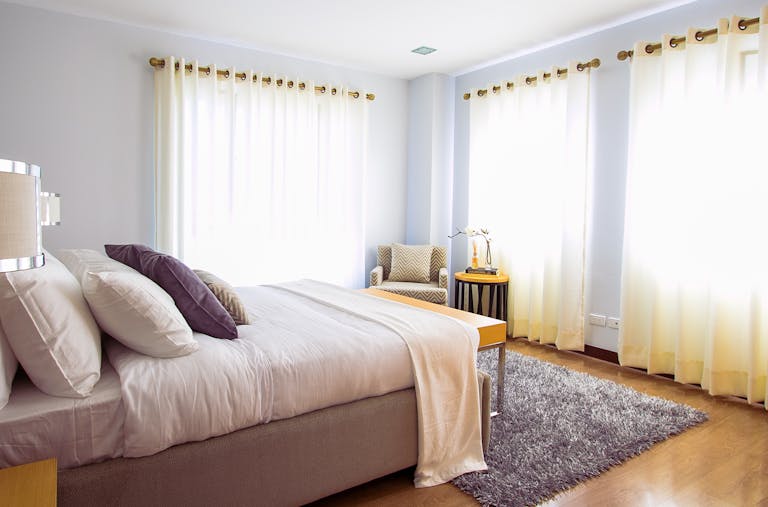

Minimalist Smart Lighting: Achieving Maximum Impact with Minimal Fixtures
Introduction
In modern interior design, less is more — and nowhere is that truer than in lighting. Minimalist smart lighting combines sleek design with intelligent technology to create spaces that feel open, balanced, and effortlessly stylish. You don’t need dozens of fixtures to make a statement — just the right ones, placed thoughtfully and powered by smart control.
This post explores how minimalist smart lighting can transform your home or workspace, offering maximum visual and emotional impact with minimal physical clutter.
💡 The Essence of Minimalist Lighting
Minimalism isn’t about removing beauty — it’s about refining it. A minimalist lighting setup focuses on clean lines, subtle shapes, and purposeful placement. The idea is to highlight your space, not the fixture itself.
In minimalist interiors, lighting serves as both a functional tool and a design statement. Instead of large chandeliers or ornate lamps, you might see:
- Slim LED panels
- Recessed ceiling lights
- Hidden strip lights
- Linear pendant fixtures
These designs keep attention on your space — walls, textures, and architecture — while still setting the perfect mood.
🧠 Why Smart Lighting Complements Minimalism
Smart lighting and minimalism are a natural match. Both emphasize simplicity, efficiency, and control. Smart lighting systems allow you to manage your entire environment with a touch, voice command, or automation, removing the need for bulky switches or visible clutter.
Key smart lighting benefits include:
- Scene customization: Set different moods for reading, relaxing, or entertaining.
- Energy efficiency: Smart bulbs use less power and can be scheduled to turn off automatically.
- Color temperature control: Adjust from warm to cool tones to complement your décor.
- Voice & app control: Manage your lights via Alexa, Google Home, or smartphone apps.
Minimalism thrives on clarity — and smart lighting gives you that clarity both visually and functionally.
🌙 Achieving Impact with Fewer Fixtures
You don’t need dozens of lights to create ambiance. With the right setup, strategic placement beats quantity. Here’s how to make fewer lights do more:
- Layer your lighting: Combine ambient (general), task, and accent lighting using minimal sources.
- Use indirect light: Hidden LED strips behind mirrors, cabinets, or ceilings create a soft glow without visible fixtures.
- Focus on architectural highlights: Illuminate textures, artwork, or structural elements instead of flooding the room.
- Choose high-CRI smart bulbs: Better color rendering enhances the visual warmth and realism of your interiors.
🪶 Aesthetic and Emotional Benefits
Minimalist smart lighting promotes a sense of calm, balance, and space. When lights blend seamlessly into the background, your environment feels open and uncluttered — perfect for relaxation, focus, or creativity.
Moreover, programmable smart lighting lets you align illumination with your natural rhythm. For instance, cool light in the morning boosts energy, while warm tones in the evening signal your body to wind down.
⚙️ Best Practices for a Minimalist Smart Setup
To keep your design clean and functional:
- Hide wiring and switches using smart hubs or in-wall dimmers.
- Stick to one lighting ecosystem (e.g., Philips Hue, Nanoleaf, or Govee) for smooth control.
- Limit color variation — use consistent white temperatures for cohesion.
- Automate wisely: Use motion sensors or timers to simplify everyday lighting routines.
🌟 Conclusion
Minimalist smart lighting proves that you don’t need more to achieve more. With thoughtful design, advanced technology, and fewer fixtures, you can create spaces that feel sophisticated, responsive, and alive.
In the end, it’s not about how many lights you install — it’s about how intelligently you use them.